Tree Removal Permits In Byron Bay: A Simple Guide For Homeowners
Trees add character, shade and habitat to a property, but sometimes they become a safety concern or stand in the way of building plans. That is when questions start to appear. Can you take it out yourself, do you need a permit, and what happens if you get it wrong? Understanding how local tree removal rules work before you pick up a saw can save you stress, delays and unexpected costs. This simple guide walks through when approval is needed, when exemptions may apply and how a qualified arborist can help you stay on the right side of council requirements.
Do You Actually Need a Permit to Remove That Tree
The first step is to figure out whether any formal approval is needed at all. Not every small job triggers a full application, but many types of removal or significant pruning do. Council rules distinguish between minor maintenance, tree work covered by a development application and separate permits for pruning or removing trees on private land that sit outside a building project.
Key points to keep in mind include:
- Routine garden work is not the same as removing a mature tree
- Some trees are protected because of their size, species or location
- If you are unsure, council expects you to check before starting work
Taking the time to confirm the category your tree sits in is the simplest way to avoid accidental non-compliance.
When Council Approval Is Essential for Tree Removal
There are clear situations where you must secure formal approval before any major work goes ahead. Some trees fall under development controls because of their heritage value, environmental importance or conditions attached to past approvals on the property. In these cases, you may need a full development application rather than a basic tree permit.
Council typically requires higher-level approval when trees are:
- Listed on a significant tree register or identified as heritage trees
- Located within heritage conservation areas or sensitive coastal zones
- Subject to conditions that required them to be retained under an earlier consent
If a tree is covered by these controls, removing or heavily pruning it without approval can lead to serious enforcement action, so it is always worth checking council mapping tools and fact sheets first.
Understanding Permits for Everyday Tree Work on Private Land
For many homeowners, the most common pathway is a tree removal permit that sits outside the development application process. The permit system is designed for pruning or removing trees on private land where a full development application is not required.
A standard permit process usually includes:
- Confirming that your tree work is not already part of an existing development consent
- Using the council guidance page to check whether a permit is needed in your specific situation
- Lodging an online or downloadable form that outlines what you want to do
Council may charge a fee that depends on the number of trees involved, and may arrange a site inspection or request clarification before making a decision. Approval conditions can also include requirements for replacement planting.
Dead or Dangerous Trees, When You May Be Exempt
Councils recognise that truly dead or dangerous trees can create an immediate safety risk. To manage this, there is often a dedicated category or exemption pathway for trees that clearly cannot be retained. In this case, you may still need to submit an application form, but the process recognises the urgency and the risk to people and property.
Situations that may fall into the dead or dangerous category include:
- Trees with obvious structural failure such as major splits or leaning trunks
- Severe storm damage that leaves large limbs hanging or unstable
- Clearly dead trees that are shedding branches or close to buildings
Even where an exemption is available, councils look for evidence such as photos or a professional opinion. An arborist can provide a written assessment that explains the risk, which helps support your request and shows that you have acted responsibly.
How Local Zoning and Native Vegetation Rules Affect Tree Removal
Behind the scenes, land zoning and native vegetation rules can change which approval pathway applies. Some rural or primary production zones are subject to separate state vegetation laws as well as local council controls.
Before you lodge any form it is wise to:
- Check your land zoning using the online planning portal linked from council
- Look at native vegetation mapping, especially if your property is in a rural zone
- Contact the relevant state agency where large-scale clearing or regulated rural vegetation is involved
These checks help confirm whether you should be dealing only with local council, or whether state legislation also applies to the type of vegetation you want to remove.
What To Prepare Before You Apply for a Tree Removal Permit
A well-prepared application is far more likely to move through assessment without delays. Councils outline the information they expect to see, and most of it is simple for homeowners to gather with a bit of preparation.
Typical supporting information can include:
- A basic site plan showing the house, other structures and the position of each tree
- Clear photos of the whole tree plus close ups of the trunk, canopy and any visible defects
- Details for each tree such as species if known, height, trunk size and reasons for removal
If you are proposing to plant replacement trees, noting the number and type on your plan will also help. Where you are not the property owner you will usually need written owner consent as part of the application.
Why Working With an Arborist Makes the Process Easier
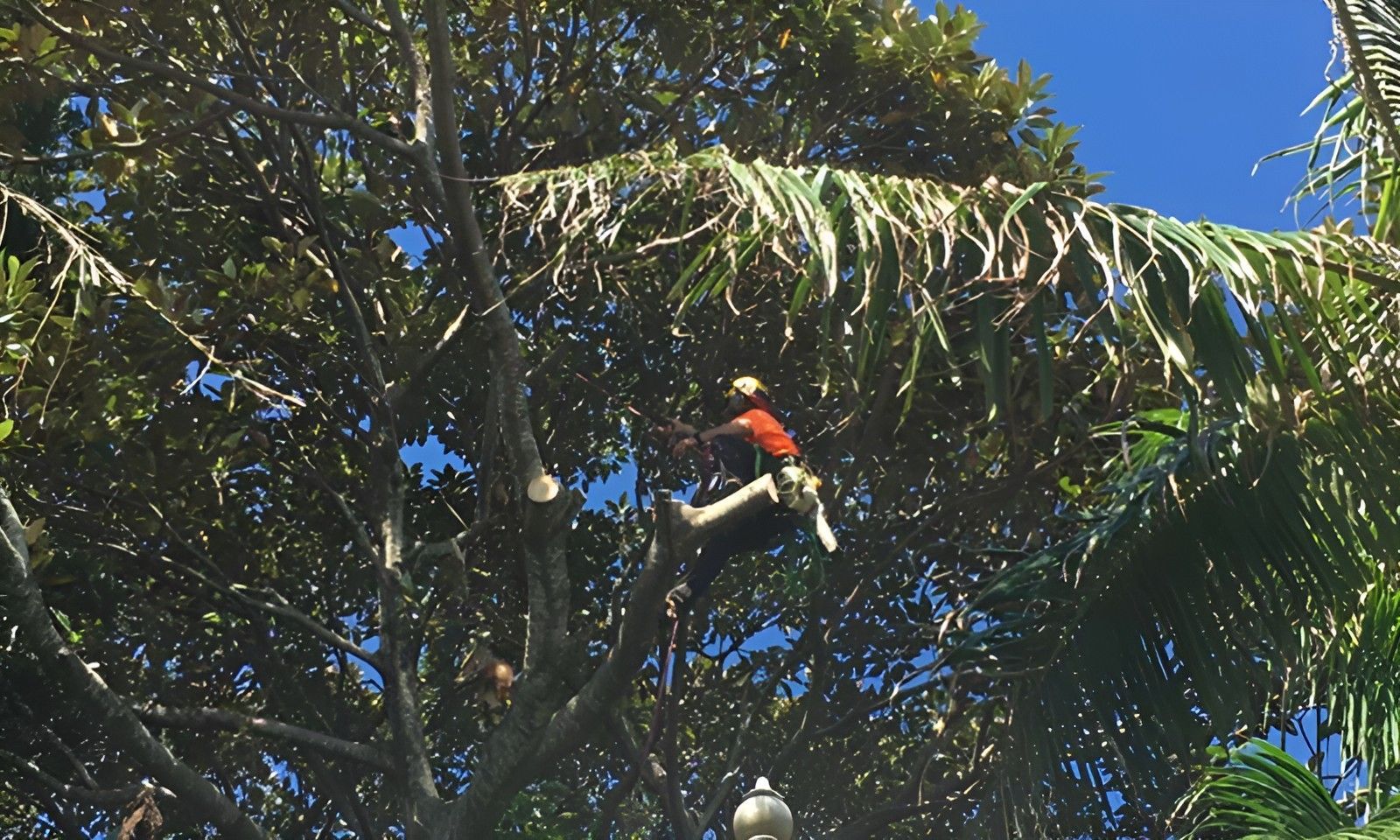
Tree rules and permit forms can feel complicated when you are dealing with them for the first time. A qualified arborist works with these requirements every day and can help translate them into practical steps. They can assess the health and structure of your trees, explain whether pruning or removal is the best option and provide a written report where that will assist the application.
An experienced arborist can help by:
- Identifying disease, structural problems or other risk factors that support removal
- Supplying clear photos, measurements and descriptions for each tree
- Liaising with council if further technical detail is requested
This support gives homeowners confidence that their application is complete and makes it easier to respond if council needs more information.
Avoiding Fines, How Professional Tree Removal Keeps You Compliant
Removing or significantly pruning trees without the right approval can lead to fines, orders to replace vegetation and in some cases legal action. It is the property owner who carries the ultimate responsibility, even if a contractor carries out the work. Working with a professional tree service that understands local rules is one of the simplest ways to protect yourself.
A compliant tree removal service will:
- Check whether your proposed work needs a permit, exemption or development application
- Help you obtain any required approvals before starting major removal
- Use safe methods, suitable equipment and sustainable practices while the work is carried out
This approach means you are not only looking after your property and safety, you are also respecting local environmental protections and avoiding the stress of enforcement issues later on.
Need Help With Tree Removal Permits and Safe Tree Work
At Tallow Tree Services, we support homeowners who want to manage their trees safely while staying compliant with local requirements for tree removal in Byron Bay. Our qualified team can assess your trees, provide advice on whether a permit or exemption is needed, and carry out tree removal once approval is in place. To learn more about our tree removal services and how we can help you navigate permit rules with confidence, visit https://www.tallowtreeservices.com/tree-removal and get in touch with our friendly team.