How Ballina’s Coastal And River Conditions Impact Tree Safety
Ballina’s landscape is one of its greatest assets. Coastal breezes, riverfront views and lush greenery create an environment that many property owners value highly. However, these same natural features can also present ongoing challenges for tree stability and long-term safety. Understanding how local conditions influence tree health is essential for protecting homes, businesses and public spaces.
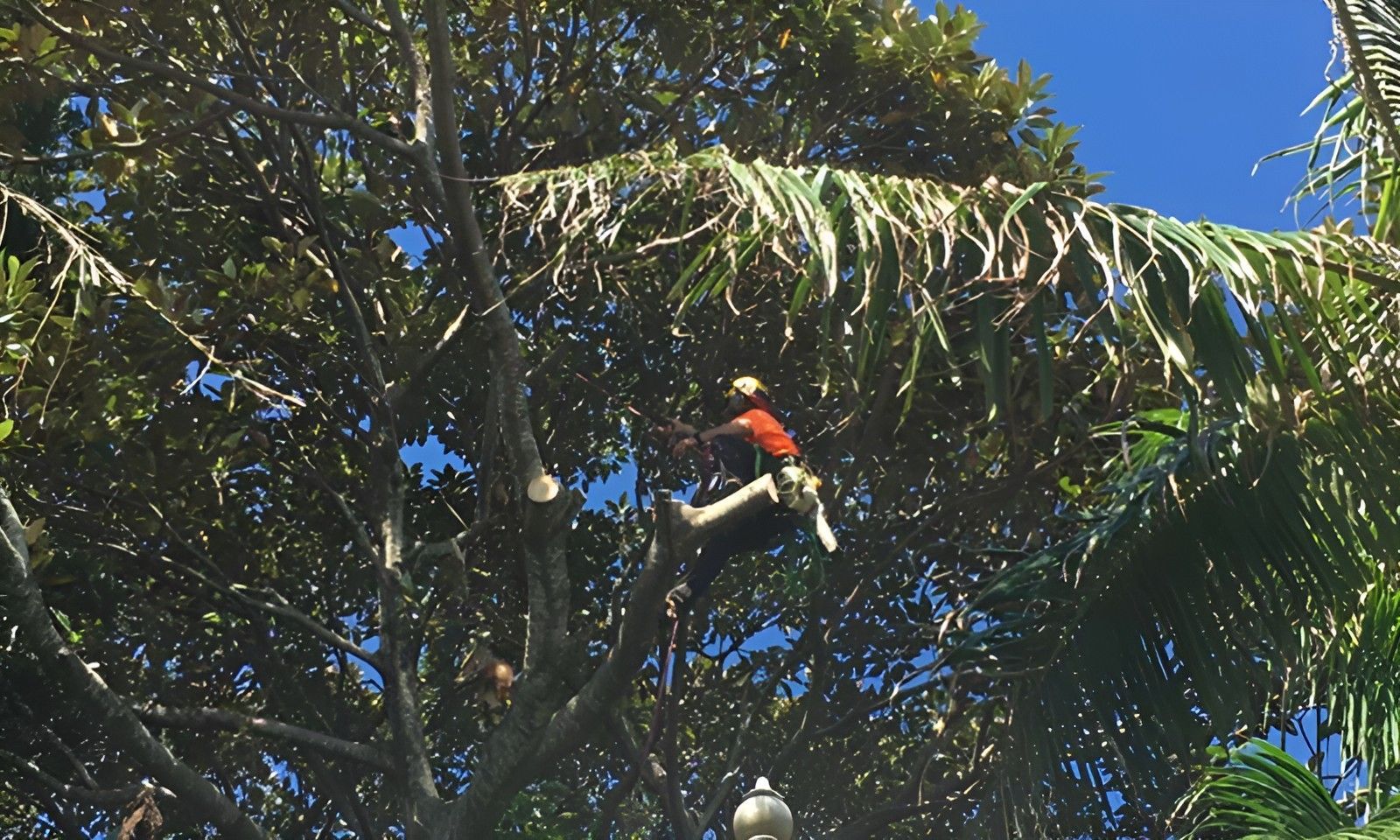
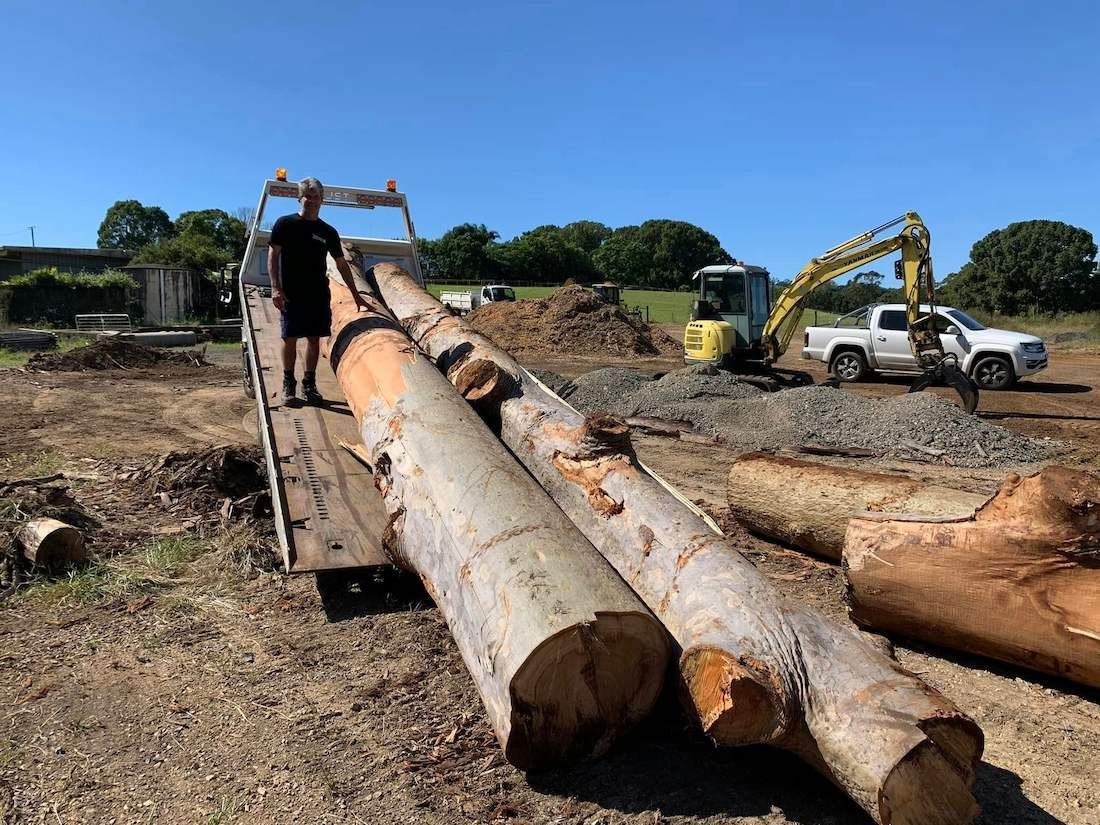
When it comes to professional tree services, Ballina property owners benefit from working with qualified arborists who understand how coastal exposure, river systems and flood-prone soils affect trees over time. Proactive management is not just about appearance, it is about reducing risk and maintaining safe surroundings.
Coastal Exposure and Salt-Laden Winds
Properties closer to the coastline are regularly exposed to strong onshore winds and salt-laden air. While many native species are adapted to these conditions, prolonged exposure can still weaken structural integrity.
Salt carried in the air settles on foliage and branches. Over time, this can:
- Cause leaf burn and reduced photosynthesis
- Lead to dieback in sensitive species
- Weaken branch unions
- Increase susceptibility to pests and disease
In addition to salt exposure, coastal winds place consistent mechanical stress on trees. Repeated wind loading can create imbalances in canopy weight distribution, especially in trees that have not been pruned correctly. Branches may develop stress fractures or become over-extended on one side, increasing the likelihood of failure during a severe storm.
A qualified
arborist in Ballina will assess canopy structure, wind loading patterns and potential weak points before recommending selective pruning or structural support.
River Systems and Saturated Soils
Ballina’s proximity to the Richmond River and its network of waterways creates unique soil conditions. Trees growing near riverbanks often benefit from nutrient-rich soils, but they also face periodic saturation and erosion.
Waterlogged soils can significantly impact root health. Roots require oxygen to function properly. When soil remains saturated for extended periods:
- Oxygen levels decrease
- Root systems weaken
- Fungal pathogens can develop
- Anchoring capacity is reduced
A tree may appear healthy above ground while its root system is compromised below the surface. In high-wind events, these trees are far more likely to uproot.
Riverbank erosion presents another concern. As soil gradually washes away, roots may become exposed. Once a tree loses sufficient ground support, stability declines rapidly. Professional tree services Ballina specialists provide often include root zone assessments and soil stability evaluations to identify early warning signs before a failure occurs.
Flood-Prone Areas and Structural Instability
Ballina experiences periodic flooding, particularly in low-lying or flood-prone zones. Flood events place extreme stress on trees in several ways.
Fast-moving water can scour soil away from root plates. Debris carried by floodwater may strike trunks and lower branches, creating hidden structural damage. Extended submersion also increases the risk of decay in both roots and lower stem tissue.
After a flood event, it is important not to assume that trees will recover without intervention. Signs of post-flood instability include:
- Leaning or tilting
- Cracked or lifted soil around the base
- Sudden canopy thinning
- Fungal growth near the trunk
An experienced arborist in Ballina property will carry out a post-storm or post-flood inspection to determine whether remedial pruning, bracing or removal is necessary.
Storm Patterns and High-Risk Tree Failure
Ballina’s subtropical climate means summer storms can develop quickly and with considerable intensity. Strong winds combined with saturated ground create ideal conditions for tree failure.
Trees with dense canopies act like sails in high winds. If weight is unevenly distributed or previous pruning has been poorly executed, the risk of branch drop increases. Large limbs may fail without warning, posing a direct threat to structures, vehicles and people.
Certain indicators suggest a higher risk profile:
- Co-dominant stems with narrow branch unions
- Visible cracks in major limbs
- Deadwood within the canopy
- Previous storm damage that was not professionally addressed
Regular inspections and maintenance are essential components of responsible property management. Tree services in Ballina focus on reducing canopy weight where necessary, removing hazardous limbs and ensuring balanced growth.
Species Selection and Long-Term Suitability
Not all tree species respond equally to Ballina’s environmental conditions. Some trees struggle in salt-heavy air or flood-affected soils, while others thrive.
Planting inappropriate species can create long-term safety concerns. Fast-growing trees with shallow root systems may establish quickly but lack the structural strength needed to withstand strong winds. Similarly, species prone to brittle wood are more likely to experience limb failure.
A qualified arborist in Ballina can recommend species suited to coastal and riverine conditions. Thoughtful planting today reduces maintenance costs and risk exposure in the future.
The Hidden Risks of Deferred Maintenance
Tree maintenance is often postponed because a tree appears healthy from a distance. However, Ballina’s environmental conditions accelerate certain forms of decay and instability.
Salt exposure, fluctuating moisture levels and storm stress can combine to create internal weaknesses that are not immediately visible. Cavities may develop within trunks. Root decay may progress unnoticed. In these cases, failure can occur with little warning.
Routine inspections provide an opportunity to detect issues early. Professional tree services in Ballina typically include:
- Structural assessments
- Root zone inspections
- Canopy thinning where required
- Removal of hazardous deadwood
- Advice on soil and drainage improvements
Preventative action is far more cost-effective and safer than emergency response following storm damage.
Risk Management for Homes and Commercial Sites
For residential properties, unstable trees present risks to roofs, fences, sheds and vehicles. For commercial properties, the stakes are even higher. Falling branches can interrupt operations, damage infrastructure and create liability concerns.
Risk management involves more than reacting to visible damage. It includes evaluating how environmental pressures are likely to affect tree stability over time. Properties near the coast or river systems may require more frequent inspections due to increased exposure.
Engaging a professional arborist in Ballina ensures that risk is assessed methodically. Recommendations are based on structural analysis rather than guesswork, helping property owners make informed decisions.
Protecting Your Landscape with Professional Guidance
Ballina’s coastal and river conditions create a dynamic environment for trees. While these natural features contribute to the region’s beauty, they also demand careful management to maintain safety.
Trees exposed to salt-laden winds, saturated soils and periodic flooding require informed assessment and ongoing care. Ignoring early warning signs can lead to sudden failures during storms or heavy rainfall events.
If you are concerned about tree stability or would like a professional assessment of your property, consider engaging experienced specialists in Tree Services in Ballina. For expert advice and qualified arboricultural support get in touch with us.
Working with a trusted arborist ensures your trees remain safe, healthy and well-managed in Ballina’s unique coastal and river environment.