Managing Tree Growth Near Fences, Driveways & Structures
It often starts small. A branch edging over a fence line, a crack forming in a driveway, or leaves building up where they weren’t before. Tree growth rarely feels urgent at first, but over time, it can begin to affect the structures around it in ways that aren’t always obvious.
Managing that growth early can help avoid damage to fences, driveways and buildings. Rather than reacting once problems appear, understanding how trees interact with your property makes it easier to take a more controlled approach.
In this guide, we look at how tree growth can affect different areas of coastal properties, and what to watch for as it develops. We also outline where professional tree services in Byron Bay can help manage these issues before they lead to more noticeable damage, including when tree removal may be the more practical option.
When Tree Growth Starts Pushing Into Boundaries
Tree growth doesn’t stay neatly contained. As branches extend and roots spread, they can move beyond their original space and begin interacting with nearby structures. This is often gradual, making it easy to miss until there’s visible impact. Fences, boundary lines and neighbouring areas are usually the first to be affected. Once growth crosses into these spaces, it can lead to both physical damage and practical concerns.
- Branches extending beyond fence lines
- Roots spreading under boundaries
- Pressure on fence posts
- Early movement in structures
- Impact on neighbouring properties
Addressing growth early helps keep boundaries clear and manageable. It also reduces the likelihood of more involved work later on.
Roots Beneath the Surface: What’s Happening Underground
What you see above ground is only part of the picture. Tree roots can extend well beyond the visible canopy, often reaching under driveways, paths and structures. As they grow, they can shift the ground around them, placing pressure on hard surfaces. This movement may not be noticeable at first but can lead to gradual changes over time.
- Roots expanding outward
- Lifting concrete surfaces
- Affecting drainage lines
- Shifting soil structure
- Hidden pressure points
Because these changes happen out of sight, they can go unnoticed for long periods. Professional assessment helps identify root-related issues before they become more disruptive.
Driveways & Access Areas Under Pressure
Driveways are particularly vulnerable to tree growth, especially when roots move underneath paved surfaces. Over time, this can cause lifting, cracking or uneven sections that affect both appearance and usability. Access areas need to remain stable and safe, which makes early intervention important. Once damage develops, repairs can become more involved.
- Cracks forming in concrete
- Uneven or raised sections
- Changes in surface level
- Restricted vehicle access
- Trip hazards developing
Managing growth around these areas helps maintain safe and consistent access. It also reduces the likelihood of ongoing surface repairs.
Structures & Rooflines: Growth That Gets Too Close
As trees mature, their canopy can extend toward buildings, sometimes making contact with roofs or walls. This contact can lead to wear over time, especially during windy conditions. Leaves and debris may also collect in gutters, affecting drainage. The closer growth gets to a structure, the more likely it is to create ongoing maintenance concerns.
- Branches contacting roofing
- Debris building up in gutters
- Increased moisture around structures
- Entry points for pests
- Movement during storms
Maintaining clear space between trees and buildings helps reduce these impacts. Regular pruning supports both the structure and the tree itself.
Fences, Boundaries & Neighbouring Properties
Trees growing near boundaries can affect more than one property. Overhanging branches and spreading roots can place strain on shared fences or create practical challenges between neighbours. These situations often develop slowly, which can make them harder to address once established. Managing growth early helps avoid complications later on.
- Overhanging branches
- Root pressure on fence lines
- Shifting boundary structures
- Maintenance responsibilities
- Preventing disputes
Keeping growth within its intended space helps maintain clear boundaries. It also supports a more straightforward approach to ongoing maintenance.
Storm Conditions Amplify Existing Tree Issues
Trees that are already close to structures or showing signs of stress can become more vulnerable during storms. Strong winds can place pressure on branches and trunks, increasing the chance of breakage or movement. What might seem stable in calm conditions can behave very differently in severe weather. This is where underlying issues often become more noticeable.
- Weak branches under wind load
- Movement toward structures
- Increased debris fall
- Existing damage becoming worse
- Sudden structural impact
Preparing for these conditions starts with understanding the current state of the tree. Addressing risks early can reduce the impact of future weather events.
Why Regular Tree Maintenance Makes a Difference
Ongoing maintenance helps manage how trees grow over time. Rather than allowing growth to develop unchecked, regular attention keeps it aligned with the surrounding space. This includes maintaining clearance from structures and managing the direction of growth. Over time, this approach supports both safety and the condition of the tree.
- Scheduled pruning
- Managing canopy spread
- Maintaining clearances
- Reducing long-term impact
- Supporting healthy growth
A consistent approach to maintenance helps avoid reactive work. It keeps tree growth controlled and better suited to its environment.
When Removal Becomes the Safer Option
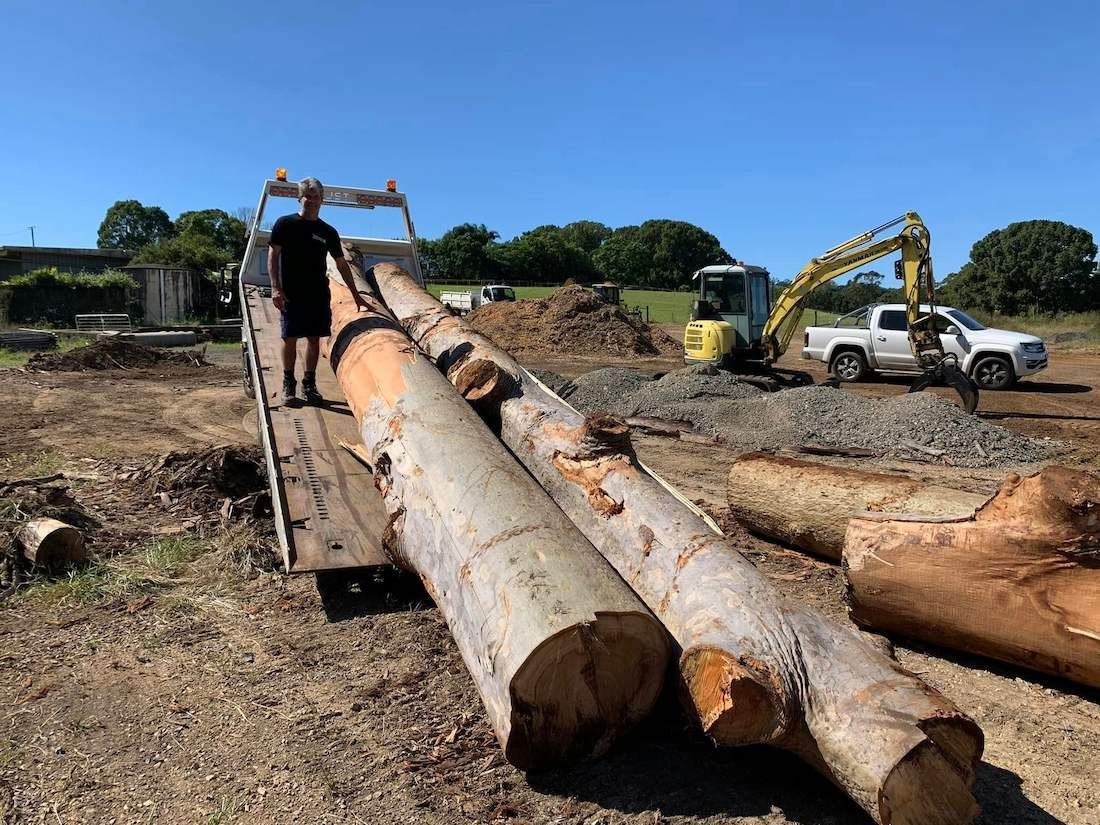
In some cases, maintenance alone may not be enough to manage the impact of a tree. When growth is too close to structures or is causing ongoing issues, removal may need to be considered. This is often the case where roots have affected foundations or where the structure of the tree has become unstable. Deciding when to remove a tree requires careful assessment.
- Trees too close to buildings
- Ongoing root damage
- Structural instability
- Repeated maintenance concerns
- Safety considerations
For tree removals in Byron Bay, a professional assessment helps determine when removal is the most practical option. It ensures decisions are based on the condition of the tree and its surroundings.
Managing Tree Growth Before It Becomes a Problem
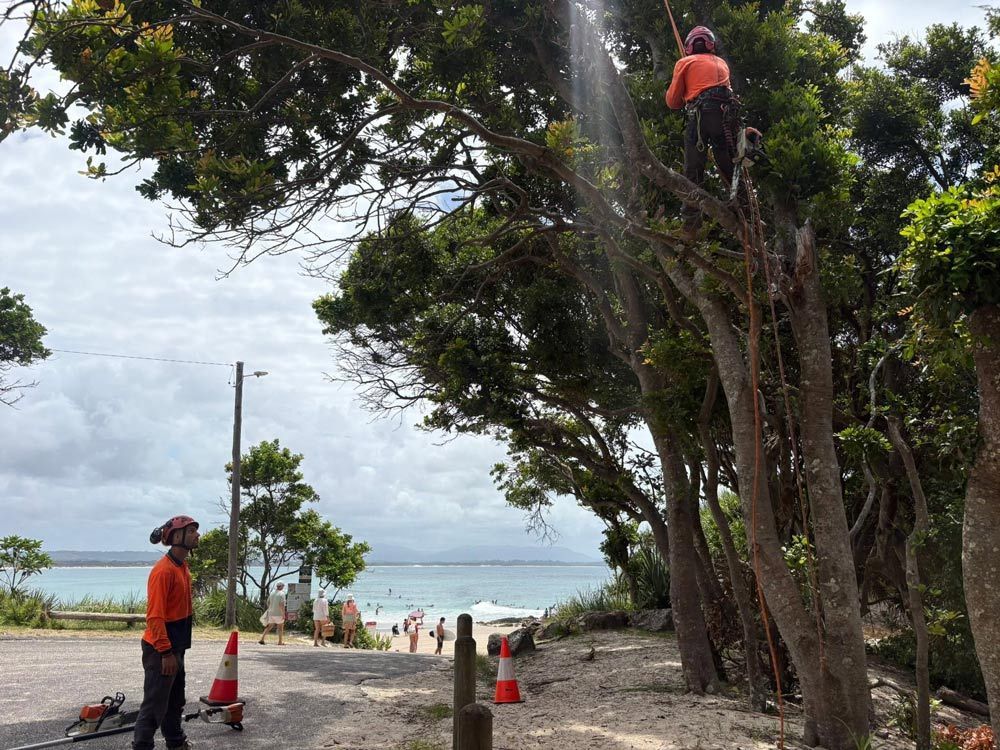
Here at Tallow Tree Services, we work with property owners to manage tree growth before it begins to impact fences, driveways and structures. Whether it’s trimming, ongoing maintenance or tree removals in Byron Bay, taking a proactive approach helps reduce the risk of damage and keeps your property functioning as it should.
If you’re noticing changes or want to stay ahead of potential issues, our team can help assess your trees and recommend the next step. For reliable tree services Byron Bay locals trust, get in touch to organise a time and discuss what’s happening on your property.